
Fact-Checked
Source Material Verified
Your Chimney Is Telling You Something — Are You Listening?
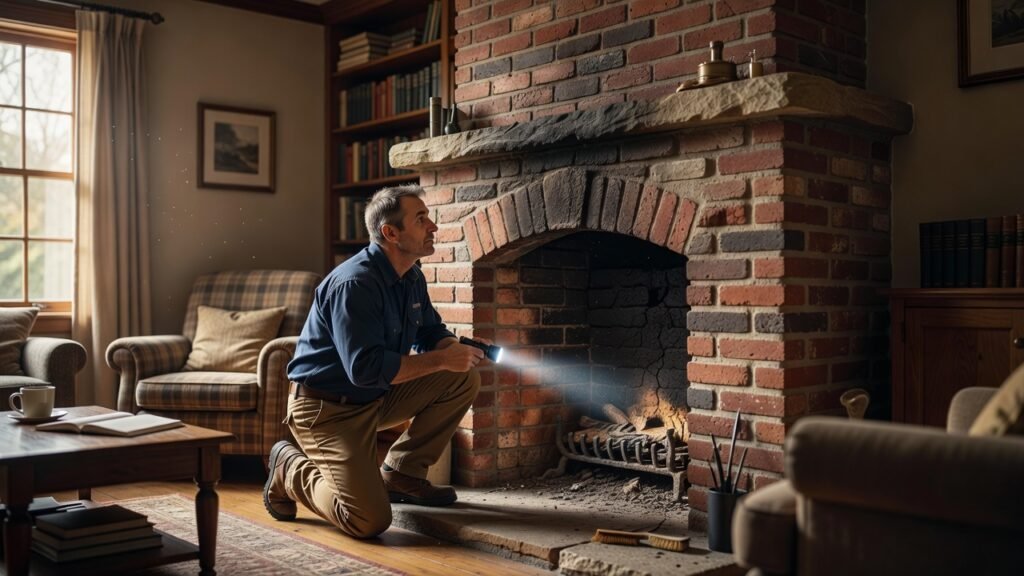
Most Maplewood homeowners do not think about their chimney until smoke backs up into the living room on the first cold night of November. By then, a problem that might have been addressed with a routine cleaning can require more extensive repairs. The warning signs are often visible or noticeable months earlier. Knowing what to look for can help you decide when a chimney needs professional attention before the next fire.
What Chimney Cleaning Actually Costs in Maplewood and Montclair
A standard chimney sweep for a wood burning fireplace typically runs between $150 and $250 in the Maplewood and Montclair area. That generally covers removing creosote and debris from the flue along with a basic visual inspection.
Several factors can affect the final price.
Flue height and accessibility. Older colonials and Victorian homes in Montclair often have taller chimneys or difficult attic and roof access. More complicated access can increase labor time.
Creosote buildup. Light deposits are generally easier to remove. Heavier or glazed buildup can require additional equipment and treatment. Severe creosote buildup can push the cleaning cost considerably higher.
Last cleaning date. A chimney that has not been serviced for several years may require more time than one maintained regularly.
Additional repairs. A damaged flue tile, deteriorated mortar, cracked crown, or faulty damper can require separate repairs. Ask for a written estimate before approving additional work.
A more detailed inspection may also be appropriate when the chimney has undergone a significant change, such as a change in appliance or fuel type, or when there is suspected damage.
Warning Signs That Mean You Should Call a Professional
Smoke fills the room instead of drafting upward
Smoke entering the living space can indicate a blocked flue, a damper problem, or another draft issue. Continued fireplace use should stop until the cause is identified because combustion gases can enter the home.
Call a professional before using the fireplace again.
A strong smoky, oily, or tar-like odor comes from the fireplace
A persistent chimney odor, particularly when the fireplace is not being used, can indicate creosote buildup or draft reversal. Humid weather can make chimney odors more noticeable.
Schedule an inspection promptly.
Black, shiny buildup appears inside the firebox
Light gray ash is normal after a fire. Thick, dark, or shiny deposits are different. They can indicate significant creosote accumulation and may mean additional deposits are present higher in the flue.
Do not assume a basic cleaning will be enough. Have the chimney evaluated.
You hear scratching, chirping, or movement inside the chimney
Animals can enter an uncapped or damaged chimney. Nesting material can obstruct the flue and create another fire hazard.
If protected birds are involved, removal may be subject to wildlife regulations. A professional can determine the appropriate next step.
Call a professional rather than attempting to remove an active nest yourself.
Pieces of clay tile or mortar appear in the firebox
Fragments of terra cotta or mortar can indicate deterioration inside the flue liner. A damaged liner can affect the containment of heat and combustion gases.
This is no longer simply a cleaning issue.
Stop using the fireplace and arrange a professional inspection. A Level 2 video inspection may be appropriate.
Your chimney has not been inspected in more than a year
Annual inspection is a practical baseline for an actively used fireplace. If you regularly use your wood burning fireplace and cannot remember when it was last inspected, scheduling an inspection before the next fire is the safer choice.
Do not wait for a visible symptom.
Smoke appears in the attic or around exterior masonry
Smoke escaping anywhere other than the intended flue path can indicate serious damage to the chimney system. This can expose surrounding materials to heat and combustion gases.
Stop using the fireplace and seek professional help immediately.
The damper will not open fully or appears heavily corroded
A damper that does not operate correctly can interfere with airflow. Rust or visible corrosion can also indicate moisture exposure or deterioration.
Do not use the fireplace until the damper has been evaluated.
What to Expect During a Professional Chimney Cleaning
A professional sweep should protect the surrounding area before cleaning begins. The technician will use brushes and appropriate equipment to remove deposits from the flue and vacuum the resulting debris.
The inspection should also consider accessible portions of the firebox, damper, chimney exterior, and other relevant components. If the technician finds a condition that requires additional work, ask for an explanation and written documentation before approving repairs.
Ask whether the technician is CSIA-certified and what level of inspection is included with the service. The inspection level should match the condition and history of your chimney rather than being treated as a one-size-fits-all service.
Schedule Your Chimney Cleaning Before the Next Fire
Maplewood Chimney Services LLC serves Maplewood, Montclair, South Orange, Millburn, and surrounding Essex County communities. If you noticed any of the warning signs above or simply cannot remember the last time your chimney was inspected, contact the company for an inspection estimate.
Getting the chimney checked before the heating season gives you time to address problems without waiting until smoke is already entering the room. Call or request an estimate at maplewoodchimneyservicesllc.com.
Dennis Farrell, NFI Certified
Fireplace Specialist
Expert in fireplace insert installation and chimney liner systems across northern NJ.
Related from Maplewood Chimney Services: Chimney Sweep in Maplewood · Chimney Sweep in Maplewood
Our services
Chimney Repair in Maplewood, NJ · 5 · Certified Chimney Technicians · Trusted Chimney Professionals · 10+ Years Chimney Experience · Insured Chimney Company
Areas we serve
Maplewood, NJ · Fireplace Repair Maplewood, NJ · Maplewood, NJ · Maplewood, NJ · Maplewood, NJ · Maplewood, NJ · All areas →