
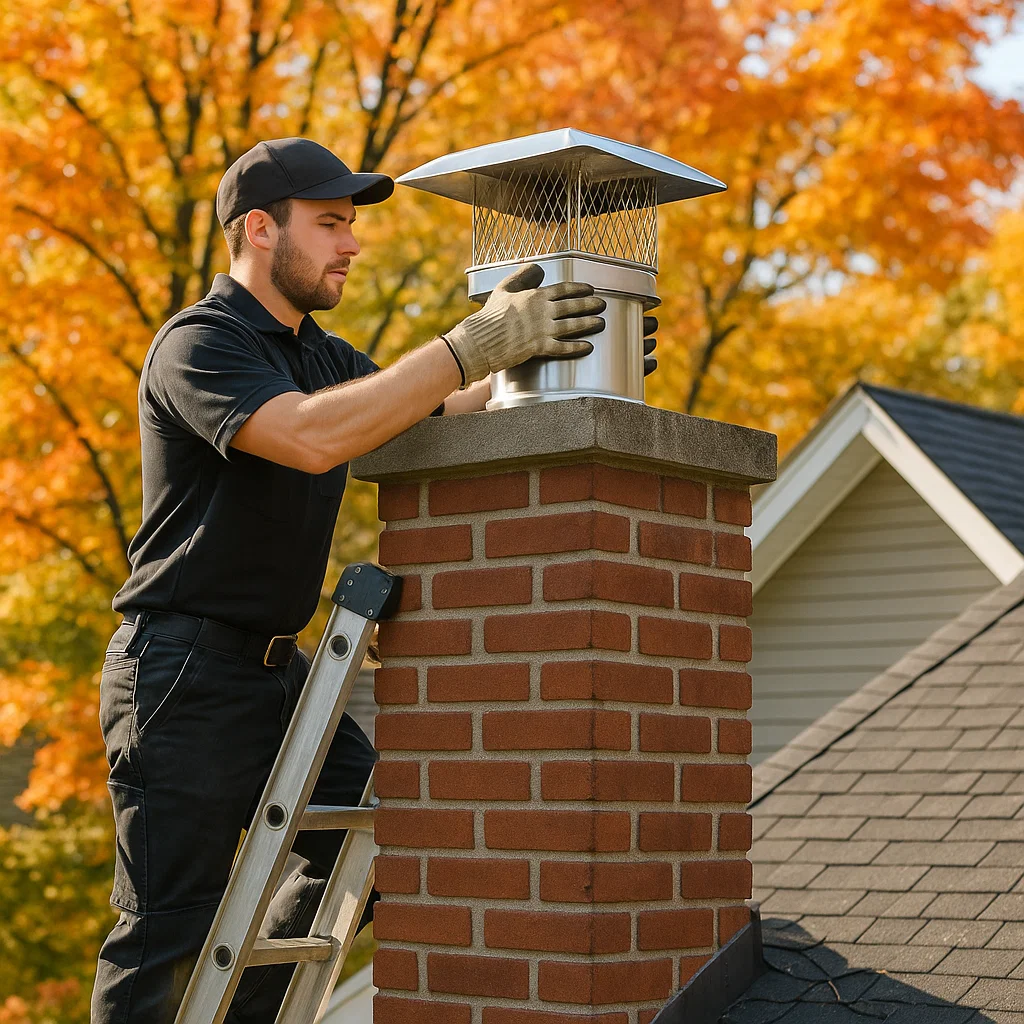
A chimney liner is one of the most critical components of your fireplace system, yet it is often overlooked until serious issues arise. Designed to protect your home from heat transfer, improve airflow, and safely vent smoke and gases, the chimney liner plays a key role in both performance and safety. Over time, however, liners wear out, crack, corrode, or become inefficient, making replacement necessary.
Understanding when to replace your chimney liner can help you maintain optimal fireplace performance, avoid costly repairs, and ensure your home remains safe. Ignoring the warning signs of a failing liner can lead to dangerous conditions, including chimney fires, carbon monoxide exposure, and structural damage.
What Does a Chimney Liner Do?
A chimney liner acts as a protective barrier between the combustion process and your home’s structure. It lines the interior of the chimney flue and serves several important functions:
- Directs smoke and harmful gases safely outside
- Protects chimney walls from extreme heat
- Improves draft and airflow efficiency
- Reduces creosote buildup
Without a properly functioning liner, your chimney cannot perform efficiently or safely.
Types of Chimney Liners
Before understanding when to replace a liner, it is helpful to know the common types available:
- Clay tile liners: Traditional and commonly used in older homes
- Metal liners: Typically made of stainless steel or aluminum
- Cast-in-place liners: Durable systems that form a solid, insulated lining
Each type has its own lifespan and maintenance requirements, but all eventually need replacement due to wear and tear.
Signs That Your Chimney Liner Needs Replacement
Recognizing early warning signs can prevent serious problems and improve fireplace performance.
Cracks or Gaps in the Liner
Cracked liners are one of the most common issues, especially with clay tile systems. Continuous heating and cooling cause expansion and contraction, leading to fractures over time.
Cracks can:
- Allow heat to escape into surrounding structures
- Increase the risk of house fires
- Reduce overall chimney efficiency
Even small cracks can compromise safety and should be addressed immediately.
Excessive Creosote Buildup
Creosote is a byproduct of burning wood that accumulates inside the chimney. While regular cleaning removes most of it, heavy buildup can damage the liner surface.
Signs include:
- Thick, tar-like deposits
- Strong, smoky odors
- Reduced airflow
If creosote has caused significant damage, replacing the liner may be the safest option.
Rust or Corrosion
Metal liners can corrode over time due to moisture exposure. Rust weakens the structure and creates holes that allow gases to escape.
Common indicators:
- Visible rust flakes
- Weak or deteriorating liner walls
- Moisture-related damage
A corroded liner cannot effectively contain heat or gases, making replacement necessary.
Smoke Entering Your Home
If smoke is backing up into your living space, it may indicate a liner failure. A damaged or improperly sized liner can disrupt airflow and cause poor draft performance.
This issue not only reduces efficiency but also impacts indoor air quality and comfort.
Age of the Chimney Liner
Even without visible damage, age alone can be a reason for replacement. Over time, all materials degrade.
Typical lifespan ranges:
- Clay tile liners: 30–50 years
- Metal liners: 15–25 years
- Cast-in-place liners: 50 years or more
If your liner is nearing the end of its lifespan, replacing it can prevent unexpected failures.
Why Replacing Your Chimney Liner Improves Performance
A new chimney liner does more than restore safety—it significantly enhances the performance of your entire fireplace system.
Improved Airflow and Draft
A properly sized and installed liner ensures smooth airflow, allowing smoke and gases to exit efficiently. This creates a stronger draft, which improves combustion and heat output.
Better Heat Efficiency
With a functioning liner, heat is directed into your home instead of being lost through the chimney. This improves energy efficiency and reduces heating costs.
Reduced Creosote Formation
Modern liners are designed to promote cleaner combustion, reducing the amount of creosote that forms. This lowers maintenance needs and improves long-term performance.
Enhanced Safety
Replacing a damaged liner eliminates risks such as:
- Chimney fires
- Carbon monoxide leaks
- Structural damage
A safe chimney system is essential for peace of mind and long-term home protection.
The Role of Professional Chimney Inspections
Determining whether a liner needs replacement requires a thorough inspection. Professionals use specialized tools, including chimney cameras, to assess the condition of the liner.
An inspection can reveal:
- Hidden cracks or gaps
- Internal corrosion
- Blockages or obstructions
- Signs of moisture damage
Regular inspections help identify issues early and prevent costly repairs.
Choosing the Right Replacement Liner
When replacing a chimney liner, selecting the right type is crucial for performance and durability.
Stainless Steel Liners
These are the most popular choice due to their durability and versatility. They are suitable for most fireplaces and heating systems.
Cast-in-Place Liners
Ideal for older or damaged chimneys, these liners provide excellent insulation and structural reinforcement.
Clay Tile Liners
While traditional, they may not be the best choice for modern efficiency needs. However, they can still be used in certain situations.
A professional chimney service can recommend the best option based on your system and usage.
Preventing Future Liner Damage
After replacing your chimney liner, proper maintenance is essential to extend its lifespan.
Key practices include:
- Scheduling annual chimney inspections
- Cleaning the chimney regularly
- Using seasoned firewood
- Ensuring proper ventilation
- Installing a chimney cap to prevent moisture and debris
These steps help maintain efficiency and prevent premature damage.
Impact on Indoor Air Quality
A damaged liner can allow smoke and harmful gases to enter your home, affecting indoor air quality. Replacing the liner ensures proper ventilation and reduces exposure to pollutants.
For more information about indoor air safety and pollutants, you can visit:
https://www.epa.gov/indoor-air-quality-iaq
Maintaining a healthy indoor environment starts with a properly functioning chimney system.
Long-Term Cost Benefits
While chimney liner replacement may seem like a significant investment, it saves money over time by:
- Preventing major structural repairs
- Reducing energy consumption
- Avoiding emergency service costs
- Extending the lifespan of your chimney
Investing in a new liner is a cost-effective way to ensure long-term performance and safety.
Final Thoughts
Replacing your chimney liner at the right time is essential for maintaining a safe, efficient, and high-performing fireplace system. From improving airflow and heat output to preventing dangerous hazards, a properly functioning liner plays a vital role in your home’s comfort and safety.
Ignoring the signs of a failing liner can lead to costly repairs and serious risks. By scheduling regular inspections and acting promptly when replacement is needed, you can protect your home and enjoy reliable fireplace performance for years to come.
For professional chimney liner inspection, replacement, and maintenance services, visit:
https://maplewoodchimneyservicesllc.com/
To schedule a service or speak with an expert, contact here:
https://maplewoodchimneyservicesllc.com/
Areas we serve
Maplewood, NJ · Fireplace Repair Maplewood, NJ · Maplewood, NJ · Maplewood, NJ · Maplewood, NJ · Maplewood, NJ · All areas →