
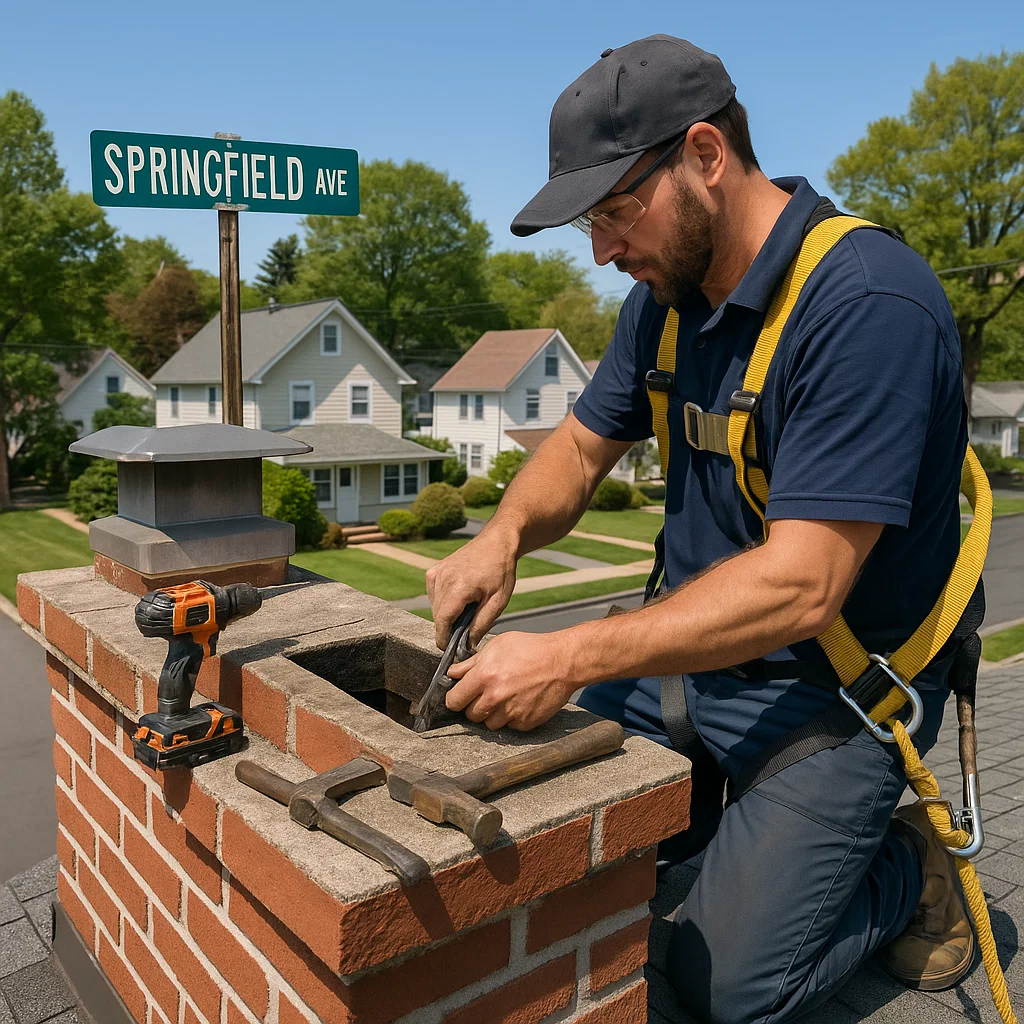
A fireplace adds warmth, comfort, and charm to any home, especially during colder seasons. However, many homeowners are unaware that a traditional fireplace can lose a significant amount of heat if it is not properly maintained. The key to maximizing fireplace performance lies in proper chimney care. When your chimney is clean, structurally sound, and functioning efficiently, your fireplace becomes a much more effective and reliable heat source.
Improving fireplace efficiency is not just about generating more heat—it also helps reduce energy costs, improve indoor air quality, and enhance overall safety. With the right maintenance strategies and professional support, you can ensure your chimney system works at its best year-round.
Understanding Fireplace Efficiency
Fireplace efficiency refers to how effectively your fireplace converts fuel into usable heat for your home. In many cases, traditional open fireplaces lose more heat than they produce due to poor airflow and heat escaping through the chimney.
Several factors influence efficiency, including:
- Chimney cleanliness and condition
- Airflow and draft performance
- Type of fuel used
- Structural integrity of the chimney system
By addressing these factors through proper chimney care, you can significantly improve heating performance.
Schedule Regular Chimney Cleaning
One of the most important steps in improving fireplace efficiency is regular chimney cleaning. Over time, soot and creosote accumulate inside the chimney flue, restricting airflow and reducing combustion efficiency.
A clean chimney allows:
- Better airflow for stronger fires
- Reduced smoke production
- Improved heat output
- Lower risk of chimney fires
Professional chimney cleaning removes buildup that blocks proper ventilation, ensuring that your fireplace burns efficiently and safely.
Invest in Annual Chimney Inspections
Routine inspections are essential for maintaining an efficient fireplace system. Not all chimney problems are visible, and hidden issues can significantly impact performance.
During an inspection, professionals check for:
- Cracks or damage in the chimney liner
- Blockages caused by debris or nests
- Signs of moisture intrusion
- Damper functionality
- Overall structural condition
Identifying and addressing these issues early helps maintain optimal efficiency and prevents costly repairs.
Use High-Quality, Seasoned Firewood
The type of wood you burn has a major impact on fireplace efficiency. Wet or unseasoned wood contains high moisture content, which reduces heat output and increases smoke production.
For best results:
- Use seasoned hardwood such as oak, maple, or hickory
- Ensure wood has been dried for at least 6–12 months
- Avoid burning treated or painted wood
Seasoned wood burns hotter and cleaner, improving heat output while reducing creosote buildup inside the chimney.
Ensure Proper Chimney Ventilation
Efficient ventilation is essential for a well-performing fireplace. A properly functioning chimney creates a strong draft that allows smoke and gases to exit while pulling in fresh oxygen to fuel the fire.
Poor ventilation can lead to:
- Weak or smoky fires
- Heat loss through the chimney
- Increased indoor air pollution
Professional chimney services ensure that your ventilation system is clear, balanced, and working efficiently.
For more information on indoor air quality and proper ventilation, you can visit:
https://www.epa.gov/indoor-air-quality-iaq
Install a Chimney Cap
A chimney cap is a simple yet effective addition that helps maintain efficiency. It prevents debris, rain, and animals from entering the chimney, which can block airflow and reduce performance.
Benefits of a chimney cap include:
- Improved airflow by preventing blockages
- Protection against moisture damage
- Reduced maintenance needs
- Enhanced overall chimney performance
Keeping your chimney protected ensures consistent and efficient operation.
Upgrade to a Fireplace Insert
If you have a traditional open fireplace, upgrading to a fireplace insert can significantly boost efficiency. Inserts are designed to retain heat and distribute it more effectively throughout your home.
Advantages include:
- Higher heat output
- Reduced energy loss
- Better fuel efficiency
- Cleaner burning process
This upgrade transforms your fireplace into a more reliable and cost-effective heating solution.
Maintain the Chimney Damper
The damper controls airflow between your fireplace and chimney. When used correctly, it plays a vital role in improving efficiency.
Best practices:
- Open the damper fully when using the fireplace
- Close it tightly when not in use to prevent heat loss
- Ensure it is functioning properly without obstructions
A properly working damper helps retain heat inside your home and improves overall performance.
Address Chimney Repairs Promptly
Even minor chimney damage can reduce fireplace efficiency. Cracks, leaks, or damaged liners can disrupt airflow and allow heat to escape.
Common issues that affect efficiency include:
- Cracked chimney liners
- Damaged masonry
- Leaking chimney structures
- Faulty dampers
Professional repairs restore the chimney’s functionality and prevent further deterioration.
Improve Heat Retention in Your Home
While chimney care is essential, improving heat retention within your home also enhances fireplace efficiency.
Consider:
- Installing glass fireplace doors
- Using a fireback to reflect heat
- Sealing gaps around the fireplace
- Adding insulation where needed
These measures help keep the heat generated by your fireplace inside your living space.
Keep the Fireplace Clean and Organized
A clean fireplace contributes to better airflow and combustion. Excess ash and debris can restrict oxygen flow, reducing efficiency.
Maintenance tips:
- Remove excess ash regularly
- Keep the firebox clean
- Avoid overcrowding with wood
- Ensure proper air circulation
Maintaining a clean environment allows your fireplace to operate at peak performance.
Long-Term Benefits of Proper Chimney Care
Investing in regular chimney maintenance provides numerous long-term advantages:
- Improved heating efficiency
- Lower energy and fuel costs
- Enhanced indoor air quality
- Reduced risk of chimney fires
- Extended lifespan of your fireplace system
A well-maintained chimney not only improves performance but also adds value to your home.
Why Professional Chimney Services Matter
While basic maintenance can be handled by homeowners, professional chimney services are essential for thorough care. Experts have the tools and experience to identify hidden problems and provide effective solutions.
Professional services ensure:
- Complete cleaning and inspection
- Accurate diagnosis of issues
- Safe and reliable repairs
- Compliance with safety standards
Relying on professionals ensures your chimney system remains efficient, safe, and durable.
Final Thoughts
Improving fireplace efficiency starts with proper chimney care. From regular cleaning and inspections to using quality firewood and maintaining proper ventilation, each step plays a crucial role in maximizing performance. A well-maintained chimney not only provides better heat but also ensures a safer and healthier home environment.
Taking a proactive approach to chimney maintenance can help you avoid costly repairs, reduce energy waste, and enjoy consistent warmth throughout the year.
For professional chimney cleaning, inspection, and repair services, visit:
https://maplewoodchimneyservicesllc.com/
To schedule a service or get expert assistance, contact here:
https://maplewoodchimneyservicesllc.com/
Our services
Certified Chimney Professionals Maplewood · Chimney Safety Inspection · Local Chimney Services NJ · Chimney Experts Maplewood · Fireplace Services Maplewood · Professional Chimney Services
Areas we serve
Maplewood, NJ · Maplewood, NJ · Maplewood, NJ · Fireplace Repair Maplewood, NJ · Maplewood, NJ · Maplewood, NJ · All areas →